
In 2010, I encountered a question that has stayed with me ever since.
Why do good companies go bad?
That year, we hosted Professor Donald Sull at a conference in South Africa. Don had written a book titled Why Good Companies Go Bad and How Great Managers Remake Them.
Sixteen years later, I continue to return to that question as I sit with executive teams.
Many of the companies I work with are successful, respected and profitable. Yet success can make the assumptions and practices that created it increasingly difficult to question.
And that is precisely the point.
Good companies seldom go bad because their leaders stop working hard. Often, the opposite is true.
The world changes. The business model must change with it. Yet the organisation responds by working even harder at the practices that made it successful in the past.
There is plenty of energy and activity. But it is still guided by an old view of how the business succeeds.
Sull called this active inertia.
Breaking it begins with recognising that the world has changed.
But recognition alone is not enough. The organisation must also be able to respond: to spot new opportunities, set clear priorities, hold people accountable, have the right conversations and move with urgency.
In a later Harvard Business Review Article, Are you Ready to Rebound?, Sull offered seven questions to help leaders assess their organisation’s execution agility.
The Seven Questions:
- 1
Do you miss opportunities that others spot?
Is important information moving quickly enough from the market and the frontline to the executive table? Or does inconvenient evidence get filtered out because it challenges the prevailing view or feels too politically difficult to raise? - 2
Are your organisational hydraulics broken?
Can people translate strategy into a small number of clear priorities? Or is the organisation overwhelmed by competing initiatives, conflicting messages and constantly shifting demands? - 3
Do you reward mediocrity and call it teamwork?
Does your organisation distinguish clearly between exceptional contribution, dependable performance and chronic underperformance? Or has avoiding discomfort become more important than maintaining standards? - 4
Are your core values a joke?
Do your values describe how people genuinely behave – especially under pressure? Or do employees see a growing gap between the words on the wall and the behaviour that is rewarded, tolerated or ignored?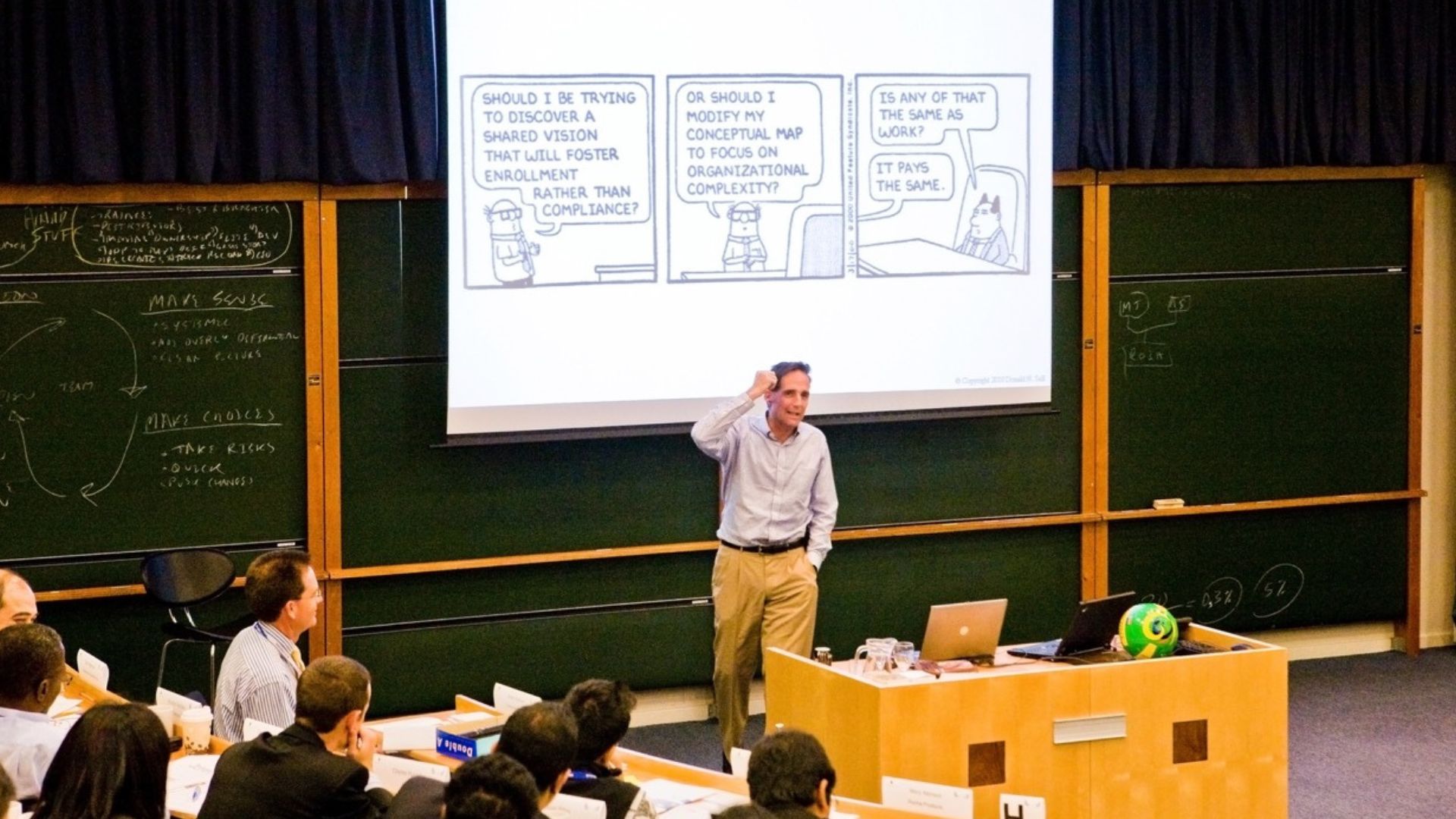
- 5
Are you talking about the wrong things?
Executive teams spend enormous amounts of time in conversation. But are you discussing the issues that will determine the organisation’s future? Are you making real choices, securing commitments and correcting course – or merely sharing information? - 6
Have your Vikings become farmers?
Every organisation needs farmers: people who build systems, create stability and protect what has been established. But where are the Vikings – the people still searching for new territory, challenging convention and moving with urgency? Has success made the organisation more interested in protecting what it has than pursuing what comes next? - 7
Do you rely on heroic leadership?
Does progress depend upon a few senior leaders personally driving every important initiative? Or has the organisation built the leadership depth, clarity and accountability required to succeed without constant executive intervention?
These are uncomfortable questions.
They are also questions worth discussing before declining performance makes the answers obvious.
For an executive team, the practical starting point is simple:
Then go further:
This is how active inertia is broken.
Not through more activity, but by recognising where the assumptions, habits and practices that once served the organisation are now holding it back.
Good companies do not go bad overnight.
The warning signs are usually present much earlier.
The question is whether the executive team is willing to see the warning signs, prepared to talk about them and courageous enough to act.
2 Comments
Leave A Comment
Latest Posts

22 September 2026

31 July 2026

27 July 2026

18 June 2026

1 April 2026

19 March 2026


Right on the money as always Grant 👏🙏
Thanks Johnny – appreciate your comment. Glad you enjoyed the post. Best. Grant