

I have just started working with a new executive team. Before I meet the team, I spend time with the CEO. It is a vital conversation - and one of the parts of my work I enjoy most.

In 2010, I encountered a question that has stayed with me ever since. Why do good companies go bad? That year, we hosted Professor Donald Sull at a conference in South Africa. Don had written a book titled Why Good Companies Go Bad and How Great Managers Remake Them.

Most leadership programmes stop at the Executive Team. That's understandable. If the Executive Team becomes more aligned, surely the rest of the organisation will follow.
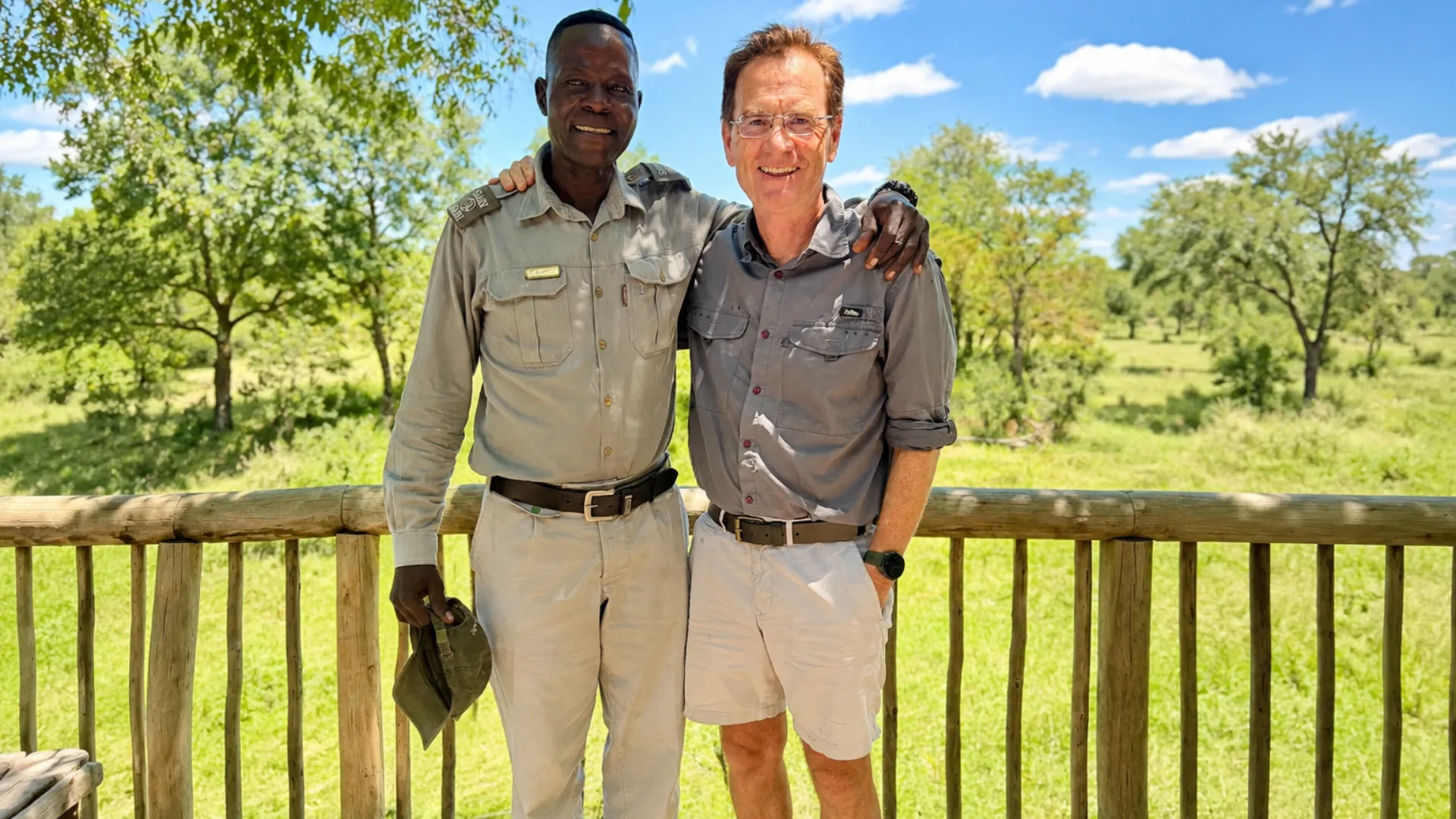
Thirty five years ago a quietly spoken Shangaan tracker invited me to follow a white rhino. I had no idea how far that lesson would travel. After finishing university I went to work at the Sabi Sabi Game Reserve.

Last week I fulfilled a long-held dream. I visited the home of Charles Darwin. I went for one main reason... to walk his 'thinking path.' Like many people, I had heard a great deal about Darwin, yet knew remarkably little about the man himself.

We’ve worked with executive and operational teams around the world for more than 15 years now. Across industries. Across cultures. Across leadership teams. Recently, we paused to look back at the data.

There's no blog post as usual this month. It’s because as you read this, I’m somewhere between Everest Base Camp and Cho La Pass in the Himalayan Mountain Range. My family and I are on an adventure in one of the most awe inspiring landscapes on earth.

When I was 15, I had the unexpected good fortune of meeting someone who altered the trajectory of my life. You could call it serendipity. But I prefer Who Luck. It’s a term coined by Jim Collins, to describe the kind of luck that arrives in the form of a person. A person who believes in you and ultimately opens doors you could not have opened yourself.

Recently, during a culture review, one executive said something that silenced the room: “In our organisation, we hold on to people because they get results - regardless of their behaviour.” It wasn’t a compliment. It was an indictment. Their values spoke about accountability, integrity and care. But their lived experience told a different story.

A rider attacks off the front. It looks bold, decisive, impressive. For a while, the gap opens. Then something subtle happens. The peloton doesn’t speed up - it fractures. Riders slip off the back. Coordination breaks down. What looked like momentum becomes fatigue and failure.

© 2026 LeadershipWorks by Grant Ashfield • All Rights Reserved • Privacy • Terms • Developed by Casson Media