
Over the past 12 months, I’ve had the privilege of working closely with an executive team on a transformative leadership journey.
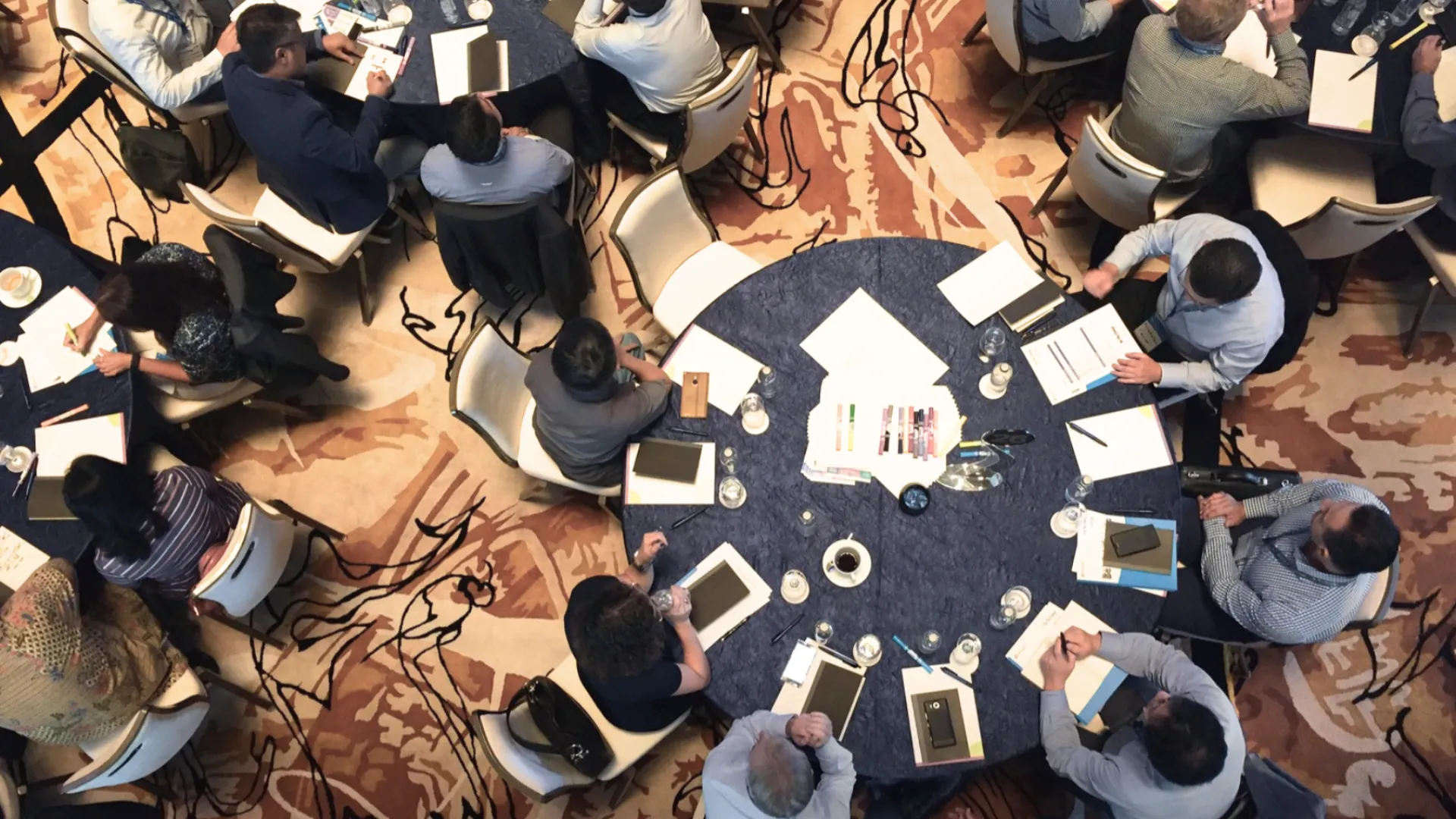
Yesterday, in our final session, the team reflected on what they had learned, what they had applied, and how they had grown—both as individual leaders and as a unified executive team.
The discussion was both inspiring and eye-opening, reinforcing the critical role that executive alignment plays in an organisation’s success.
A. The Power of Acting as One
One of the most significant shifts this team made over the past year was moving from a group of individual leaders to a truly cohesive executive team.
Early in the journey, it became clear that while each executive was highly skilled and committed to the business, alignment and cohesion were lacking.
Silos had formed, decision-making was fragmented, and trust – while present – was not at the level required for high performance.
As the journey progressed, the team worked intentionally on breaking down barriers, improving communication, and ensuring that they acted together as one leadership body.
Yesterday, they reported that this shift had been game-changing. They now approach decisions collectively, support each other openly, and ensure that a consistent message flows from the executive team down through the organisation.
B. Trust, Accountability, and Hard Conversations
One of the most powerful lessons from this journey was the realisation that trust is built through accountability, honesty, and the courage to have hard conversations. In the early months, there was hesitancy to challenge each other.
However, as trust deepened, the team started to embrace tough discussions – calling things out in the moment, addressing misalignment directly, and holding one another accountable for commitments.

During our final session, several executives shared how this shift had impacted their leadership.
- One leader noted that their biggest personal growth came from learning to “be the last to speak” in meetings – allowing space for their team to contribute before stepping in.
- Another highlighted how confronting poor performance and in several cases, bad behaviour, has improved morale on the team and brought the team much closer together.
C. Communication and Consistency: A Unified Message
Another key takeaway was the importance of clear, consistent communication.
In the past, messages were diluted as they travelled through the organisation, creating noise and confusion. The executive team recognized that their role is not just to set strategy. It’s also to ensure that every employee understands why their work matters and how it contributes to the bigger picture.
By committing to regular engagement, reinforcing key messages, and ensuring alignment before communicating, the team has been able to create a stronger sense of direction and commitment across the business.
One executive summed it up well …

D. Building Better People to Build a Better Business
Perhaps the most meaningful outcome of this journey was the realisation that leadership is not just about results – it’s about people.
This team learned that their primary role is to develop and empower others, creating an environment where people feel valued, trusted, and inspired to perform at their best.
As we closed our final session, the sense of energy and renewed commitment was palpable. This was no longer just a group of executives—it was a unified leadership team, acting with purpose, clarity, and trust.
Their journey isn’t over, but they are now equipped with the tools, mindset, and relationships to lead together, as one.
And that is what truly makes a difference.
Do you want to build a stronger and more cohesive leadership team?
Drawing from the experiences of this team over the past year here are some reflection questions to help you do so.
- 1
Am I truly acting as part of a unified leadership team, or am I still leading in a silo?
- 2
Do I collaborate with my peers, align on key decisions, and present a consistent message to my organisation.
- 3
Do I foster a culture of trust and accountability by embracing hard conversations?
- 4
Am I willing to call things out in the moment, give and receive honest feedback, and hold others (and myself) accountable in a way that builds trust?
- 5
Am I intentional in communicating a clear and inspiring vision to my team?
- 6
Am I simply providing information, or am I inspiring and engaging people to see the bigger picture and take ownership of their role?
2 Comments
Leave A Comment
Latest Posts

22 September 2026
31 July 2026
27 July 2026

18 June 2026

1 April 2026

19 March 2026


Great leadership insights. Fostering culture of trust and accountability is the most important in mind but also the most challenging to achieve.
HI Dumisani – thank you for your comment. It is great to hear from you. Grant